
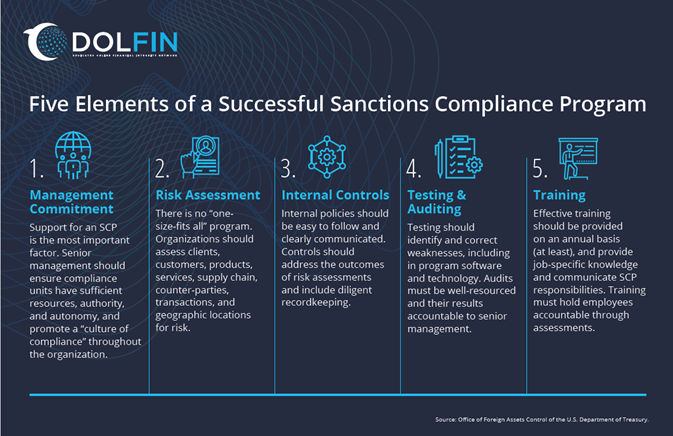
In today’s interconnected world, businesses face a myriad of challenges, especially when it comes to operating across borders. One of the most significant hurdles in this global landscape is Sanctions Compliance. Sanctions are government-imposed restrictions that can affect international trade, investment, and economic relations. This article delves into what sanctions compliance entails, why it’s crucial for businesses, and how organizations can effectively navigate this complex area of law.
What are Sanctions?
Sanctions are measures imposed by countries or international bodies to influence foreign entities’ behaviors or policies. These measures can include trade restrictions, asset freezes, travel bans, and other forms of economic pressure. Governments may enact sanctions in response to various issues, including political conflicts, human rights violations, or terrorism. The most prominent bodies that impose sanctions include the United Nations, the European Union, and individual countries like the United States.
The Importance of Sanctions Compliance
Sanctions compliance is pivotal for businesses engaged in international trade or considering expansion into foreign markets. Non-compliance can result in severe penalties, including hefty fines, reputational damage, and even criminal charges against individuals within the organization. Furthermore, maintaining compliance ensures that businesses contribute to global peace and stability, aligning their operations with ethical standards.
Understanding the Legal Framework
Businesses need to familiarize themselves with the various sanctions regimes. In the United States, the Office of Foreign Assets Control (OFAC) administers and enforces economic sanctions. Similarly, the European Union has its mechanisms for enforcing sanctions against third countries. Each jurisdiction has its specific regulations, which can create confusion for businesses operating internationally.

It is essential to perform due diligence by constantly monitoring changes in sanctions lists published by regulatory authorities. These lists include entities and individuals with whom businesses should avoid dealings. Regular compliance checks and a strong understanding of the legal framework can significantly mitigate risks associated with sanctions violations.
Best Practices for Ensuring Sanctions Compliance
1. Risk Assessment
Conducting a comprehensive risk assessment is the first step in ensuring sanctions compliance. Businesses should evaluate their operations, geographic reach, and the nature of their transactions to identify potential exposure to sanctioned parties or jurisdictions.
2. Develop and Implement Compliance Programs
After identifying risks, businesses should develop robust compliance programs. These programs typically involve creating internal policies and procedures, appointing a compliance officer, and training employees on sanctions regulations. Regular employee training reinforces the importance of sanctions compliance and ensures that the workforce remains vigilant against potential violations.
3. Employ Technological Solutions
In the digital age, technology plays a crucial role in sanctions compliance. Utilizing software solutions to screen transactions against sanctions lists can streamline the compliance process. Many companies invest in automated systems that continuously monitor and flag transactions involving sanctioned entities.
4. Maintain Up-to-Date Sanctions Lists
Staying informed about the latest sanctions is vital. Companies should subscribe to updates from regulatory authorities to ensure they have access to the most current information. This proactive approach can help avoid unintentional violations.
Challenges in Sanctions Compliance
While the importance of sanctions compliance is clear, organizations face several challenges in this area. One major issue is the dynamic nature of the sanctions landscape. Sanctions can be imposed, lifted, or modified rapidly, necessitating a continuous monitoring effort.
Additionally, businesses operating in multiple jurisdictions must navigate complex legal frameworks that can differ drastically from one country to another. This complexity can pose significant challenges for multinationals, requiring extensive legal resources to ensure compliance.
The Future of Sanctions Compliance
As geopolitical tensions continue to rise, businesses must prepare for an evolving sanctions landscape. We can expect to see an increase in targeted sanctions aimed at non-state actors, along with a broader application of sanctions to technology and digital currency industries.
Moreover, collaborations between governments and international organizations may lead to more stringent compliance requirements, urging businesses to enhance their practices further. As such, staying engaged with legal developments and adapting to changing regulations will be crucial for organizations moving forward.
Conclusion
Sanctions compliance is a critical consideration for businesses engaged in international operations. By understanding the complexities of sanctions regimes, implementing robust compliance programs, and leveraging technology, organizations can mitigate the risks associated with sanctions violations. Ultimately, a commitment to sanctions compliance not only protects businesses from legal repercussions but also fosters a more stable and ethical global economic environment.