

In today’s global economy, the role of sanctions imposed by the Office of Foreign Assets Control (OFAC) cannot be underestimated. Businesses and individuals alike face the difficult challenge of navigating these regulations. This is where OFAC Sanctions Defense comes into play, arming you with the necessary legal strategies to defend against potential sanctions. Understanding the scope and implications of OFAC sanctions is crucial for anyone involved in international trade or finance.
What are OFAC Sanctions?
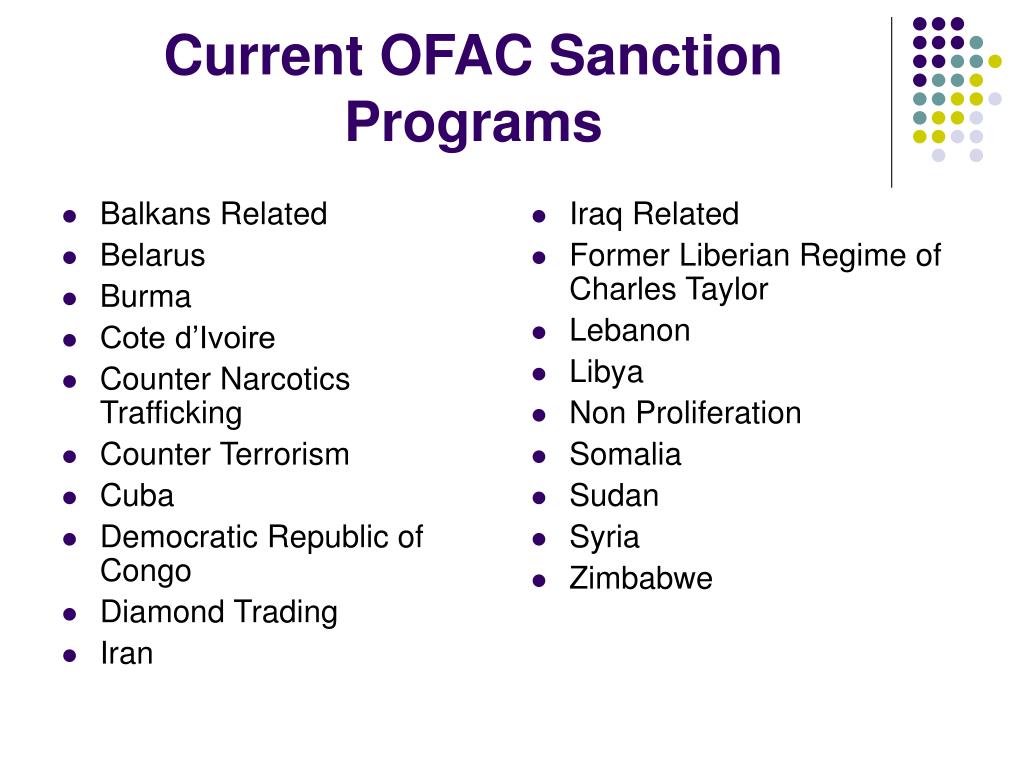
The Office of Foreign Assets Control, a division of the U.S. Department of the Treasury, administers and enforces economic and trade sanctions against targeted foreign countries and regimes, terrorists, international narcotics traffickers, and other threats to U.S. national security, foreign policy, or economy. These sanctions can block property and restrict economic transactions that involve designated individuals or entities, making compliance crucial for businesses.
Types of OFAC Sanctions
Sanctions can be classified into several categories, including:
- Comprehensive Sanctions: These are broad restrictions that apply to entire countries (e.g., North Korea, Iran).
- Targeted Sanctions: These sanctions are directed toward specific individuals or entities involved in illicit activities, rather than entire countries.
- Sectoral Sanctions: Sectoral sanctions usually target certain industries, such as oil and gas or defense, applying restrictions to specific sectors of a nation’s economy rather than to individual entities.
The Importance of Compliance
For businesses engaged in international trade, compliance with OFAC sanctions is not just a legal obligation but a necessity to ensure the sustainability of operations. Failure to comply can result in severe penalties, including hefty fines, restrictions on future business, and damage to reputation. Thus, developing a robust compliance program is paramount, addressing risk assessments, employee training, and transaction monitoring.
Defense Against OFAC Sanctions
In the unfortunate event that a business or individual is targeted by OFAC sanctions, it is crucial to understand the possible defenses. Here are some key strategies:
Legal Expertise
Engaging with legal professionals experienced in sanctions law is essential. They can provide valuable guidance on the intricacies of OFAC regulations and advocate on behalf of clients if sanctions are imposed. A knowledgeable OFAC sanctions defense lawyer can help identify potential defenses or mitigating factors.
Challenge the Designation
Individuals and entities are entitled to challenge their designation under OFAC sanctions. They can file a petition for removal, presenting evidence that supports their case to OFAC. This process requires meticulous preparation and presentation of relevant evidence to demonstrate that the designation is unjustified.
Prove Lack of Knowledge
In some cases, one may argue that they lacked knowledge of the sanction violations. This defense could be valid in situations where the parties involved took reasonable steps to ensure compliance but were misled or uninformed about specific restrictions.
Policy and Intention Considerations
OFAC also considers the policies and intentions behind a transaction. If a party can show that their intention was to comply with sanctions laws, this may play a role in mitigating potential penalties.
Building an Effective Compliance Program
To minimize the risk of sanctions violations, businesses should consider the following steps to develop an effective compliance program:
Risk Assessment
Conduct thorough assessments of potential risks associated with markets they operate in, partners, and customers. This includes understanding the origin of goods and potential connections to sanctioned individuals or entities.
Internal Training
Train

employees on OFAC regulations and the importance of compliance. Regular workshops and updates on changes in sanctions laws can foster a culture of compliance within the organization.
Monitoring Transactions
Implement robust monitoring systems to track transactions and identify potential dealings with sanctioned individuals or entities. This may involve advanced technology solutions that can flag high-risk transactions automatically.
Conclusion
Defending against OFAC sanctions requires an understanding of the complex regulatory landscape. From comprehensive compliance programs to effective legal defence strategies, it is of utmost importance for businesses and individuals to proactively manage their risk and seek expert guidance when needed. An informed approach to OFAC sanctions defense can safeguard your business’s future and support your organization’s growth in a competitive international market.